
Typical brains function smoothly, with neurons (nerve cells) firing rhythmically like predictable weather patterns.
But in epileptic brains, a sunny day can suddenly turn dark and stormy. Neurons will just be trucking along, operating in the controlled and routine way that keeps a body’s mental and physical functions stable when, all of a sudden, they freak out, pulsing with an electrochemical intensity that causes confusion and uncontrollable jerking.
The broken doll movement and unexpected mental interruptions of epileptic seizures have probably always been unsettling. Some cultures have explained their onset as the consequence of religious sin, others as divine intervention or a sign of sacredness.
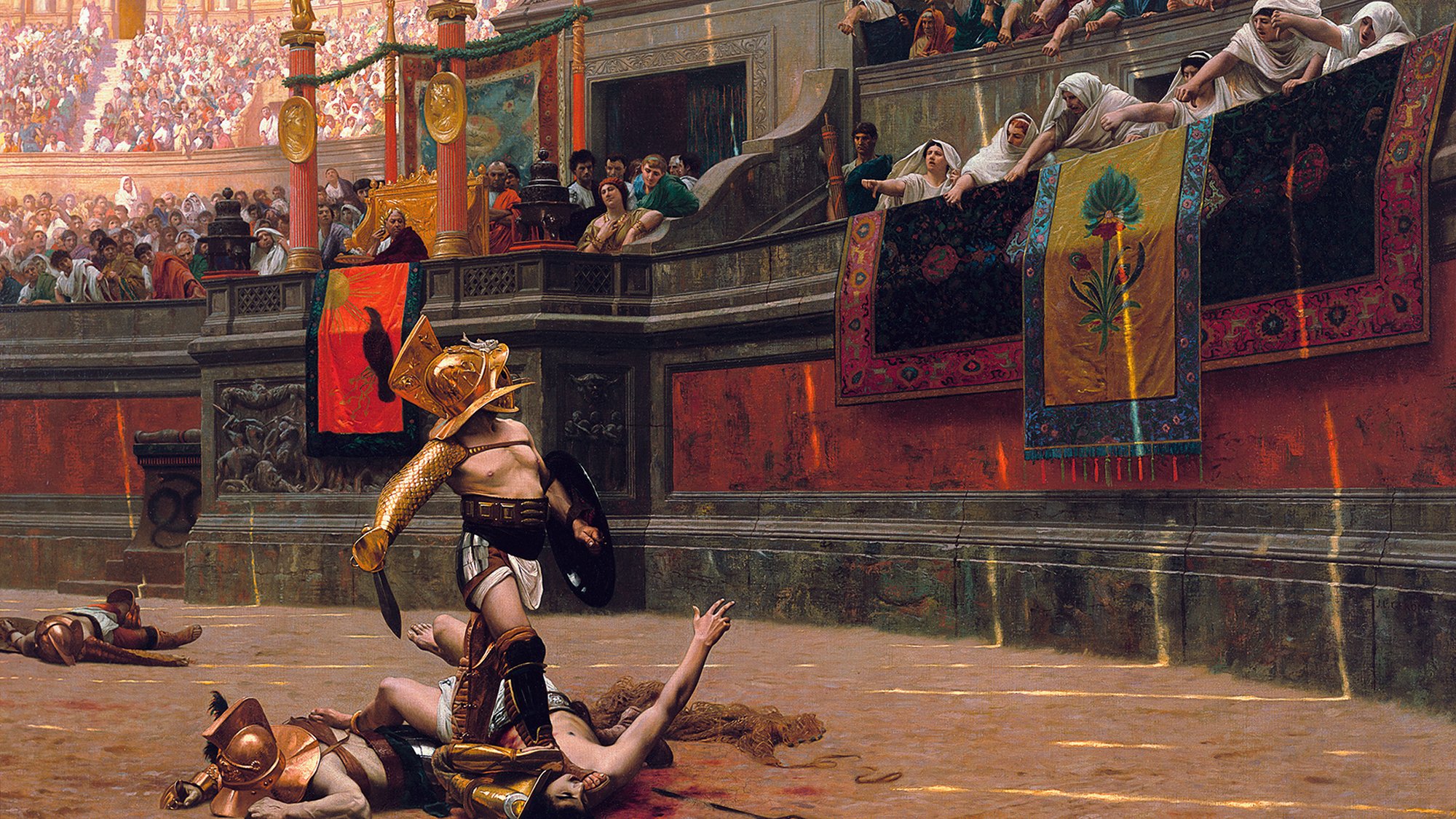
To the ancient Romans, epilepsy was a contagious disease caused by evil spirits or demonic possession, and there was only one way to cure it—with the blood of a gladiator.
How blood became an epilepsy cure
Ancient Rome wasn’t the first place epilepsy was treated with human blood. There’s evidence of its use in ancient Greece, Egypt, Mesopotamia, and elsewhere. But the Romans were the first to look to the blood of a warrior for a cure, according to “Between Horror and Hope: Gladiator’s Blood as a Cure for Epileptics in Ancient Medicine,” an article by Ferdinand Peter Moog and Axel Karenberg published in the Journal of the History of Neurosciences in 2003.
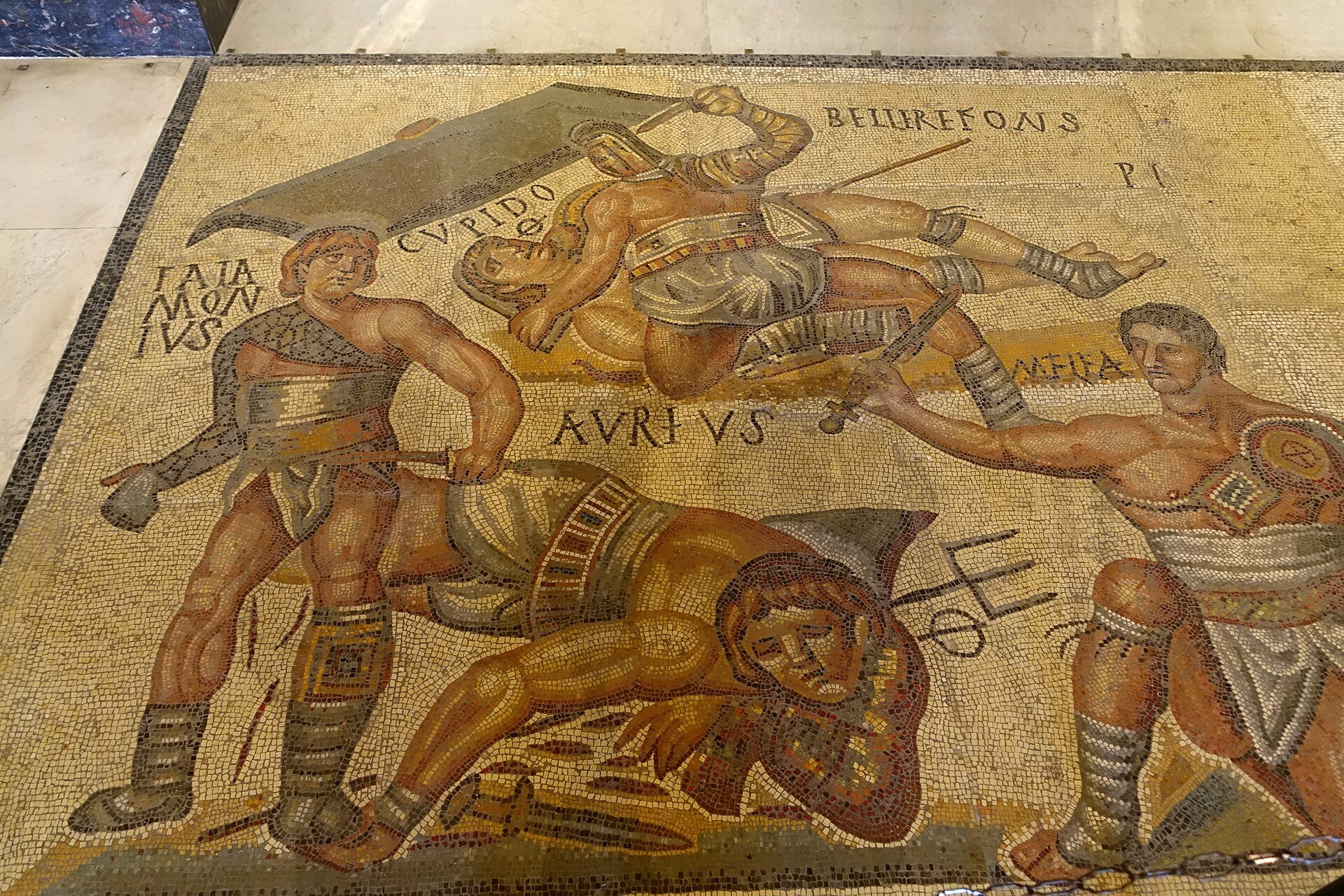
Drinking the “hot blood from the throat of a gladiator” is first recommended in the Book on Medicine in 40 C.E. and, over the next 500 years, Roman doctors experimented with exactly how to administer the cure: three spoonfuls a day for 30 days, sucking directly from a bleeding wound, filling a cup with the dripping blood of the slaughtered.
In the sixth century, one physician’s method was to burn a rag soaked in the blood of a swordsman and mix its ashes with wine. “With seven doses you will free the patient of epilepsy,” he wrote. “Often applied with excellent results.”
Gladiator blood was a magical cure
For a remedy to have such staying power over such a long period of time is unusual. When that remedy is drinking the blood of a gladiator, Moog, senior lecturer at the Institute for the History of Medicine and Medical Ethics at the University of Cologne in Germany, tells Popular Science, it suggests a strong undercurrent of magical thinking.
“Magic is not logic,” he explains. “People are healed by those things and procedures they expect to be healed from.”
Gladiators weren’t exactly average Romans. In the early days of the republic, their death in combat had religious associations, with fallen gladiators believed to be offerings to the gods or escorts for the dead into the next world. Even as gladiatorial combat later lost its religious connotations, the dramatic circumstances of the contestants’ deaths still made their blood a potent epileptic cure.
Belief in the remedy likely had something to do with what Moog and Karenberg describe as “the illusion of therapeutic effectiveness.” Since the symptoms of some forms of epilepsy affect only children before disappearing completely around puberty, a child who consumed gladiator blood while still symptomatic would appear to anyone unfamiliar with the disorder as having been cured by it.

Blood from the decapitated worked just fine, too
When gladiatorial combat was outlawed in the Roman Empire around 400 C.E., physicians were forced to look for an alternative treatment for epileptic patients. They found it in the blood of those executed by decapitation.
“The blood of the decapitated was the blood of ‘noble’ criminals, and this might have been important when searching for a substitute for gladiator’s blood,” says Moog. It seems not to have been the legendary strength and virility of the gladiator that imbued a person’s blood with healing power, then, but the way they died—by the blade of a sword (or later a guillotine).
There was a practical element to using blood from an execution too, Moog continues. “In the case, for example, of a hanging, you’d have to hurt the body of the executed yourself. And wounding a corpse was in many cultures regarded as a bad thing.”
The blood spilled by decapitation, on the other hand, “was easy to get.”
The new twist on the old remedy apparently proved just as enduring as the original. The blood of the executed was a “miracle cure” for epilepsy all the way until the 20th-century invention of anti-epileptic pharmaceuticals.
In That Time When, Popular Science tells the weirdest, most surprising, and little-known stories that shaped science, engineering, and innovation.
Related ‘That Time When’ Stories
For ancient Romans, pooping was a group activity
Ancient Greece’s most famous oracle was just high on gas fumes
In medieval France, murderous pigs faced trial and execution
4 times drinking coffee was illegal—or even punishable by death
Andrew Jackson’s White House once hosted a cheese feeding frenzy
The post Ancient Romans thought drinking gladiator blood could cure epilepsy appeared first on Popular Science.