
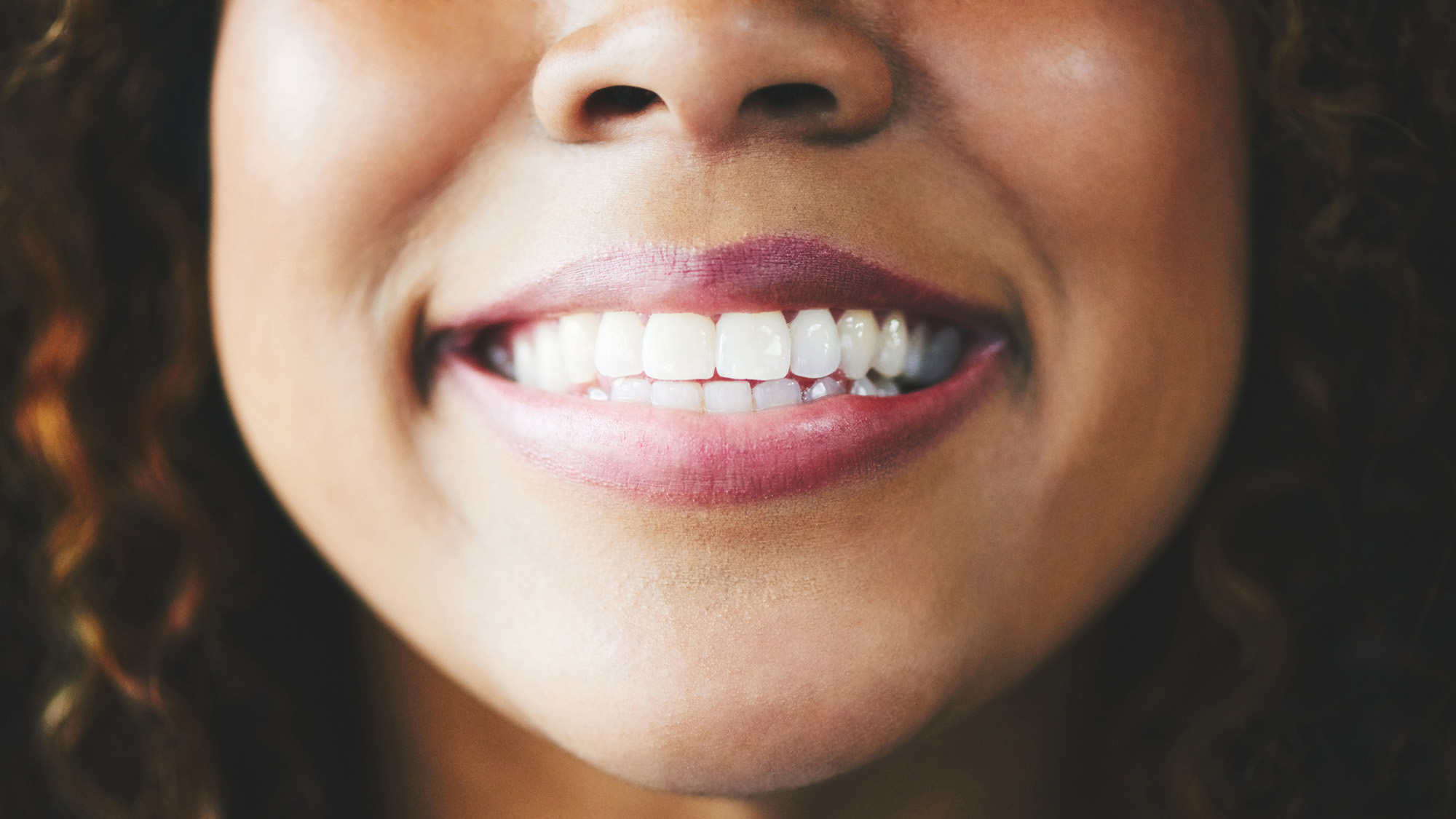
Fans of period dramas often love seeing fabulous costumes and sets on-screen. However, in recent years, critics have pointed out that one thing can immediately dispel historical accuracy: actors’ blindingly white, perfect teeth.
Even though many societies put great value on white teeth throughout history, the limitations of pre-modern dentistry meant that our ancestors often suffered from painful, visible tooth decay.
While modern dental practices have spared many of us from suffering the worst types of dental diseases, people today are still very preoccupied with how white their smile looks. According to the American Dental Association, Americans are expected to spend $8.21 billion dollars in 2026 on whitening products and procedures.
But are white teeth actually healthier? Dentists say not necessarily.
Do everyone’s teeth start off white?
Not everyone’s teeth start out pearly white, Dr. Diana Nguyen, the chief of General Clinical Dentistry and associate professor at University of California, San Francisco School of Dentistry, tells Popular Science.
“There can be variations in shade, and there can be a number of reasons for that. Some of that is genetic. Some of that is what you were exposed to in the womb,” she explains. Certain medications a mother might take while pregnant, for example, can result in a child having teeth with a grayish tinge.
Related ‘Ask Us Anything’ Stories
Often, though, the color of one’s teeth are a result of lifestyle and habits. One reason that dentists urge their patients to attend to their dental health and get regular appointments is to avoid unsightly tartar.
Brushing and flossing regularly can help people remove the biofilm, or plaque, from teeth and keep it from hardening into tartar. Tartar is quite porous, and it can easily pick up stains from tobacco, coffee, and food. It can also pick up harmful bacteria. Tartar not only can make your teeth look discolored, but it can damage your gums and cause tooth decay.
Are stained teeth unhealthy?
Grayish or stained teeth aren’t necessarily unhealthy. Anything that can stain a white t-shirt, says Nguyen, can stain your teeth. That includes wine, coffee, and even spices. And while some people might devote a lot of time and money into removing such stains, a set of perfectly white, straight teeth can also hide problems.
“Most cavities start between the teeth,” Nguyen explains. “That’s generally not something you’re able to see looking at somebody’s smile.” Cavities between teeth wouldn’t visibly discolor a tooth until it was “gigantic.”
Some of the methods people use to chase pearly whites, she adds, can actually damage teeth. Brushing too hard and or using abrasive toothpastes, like charcoal-based ones, “can strip healthy layers of enamel off your teeth.”
Then there are veneers. While the idea of simply installing what appear to be perfect white teeth in your mouth might seem tempting, many don’t realize how intense and invasive the process can be.
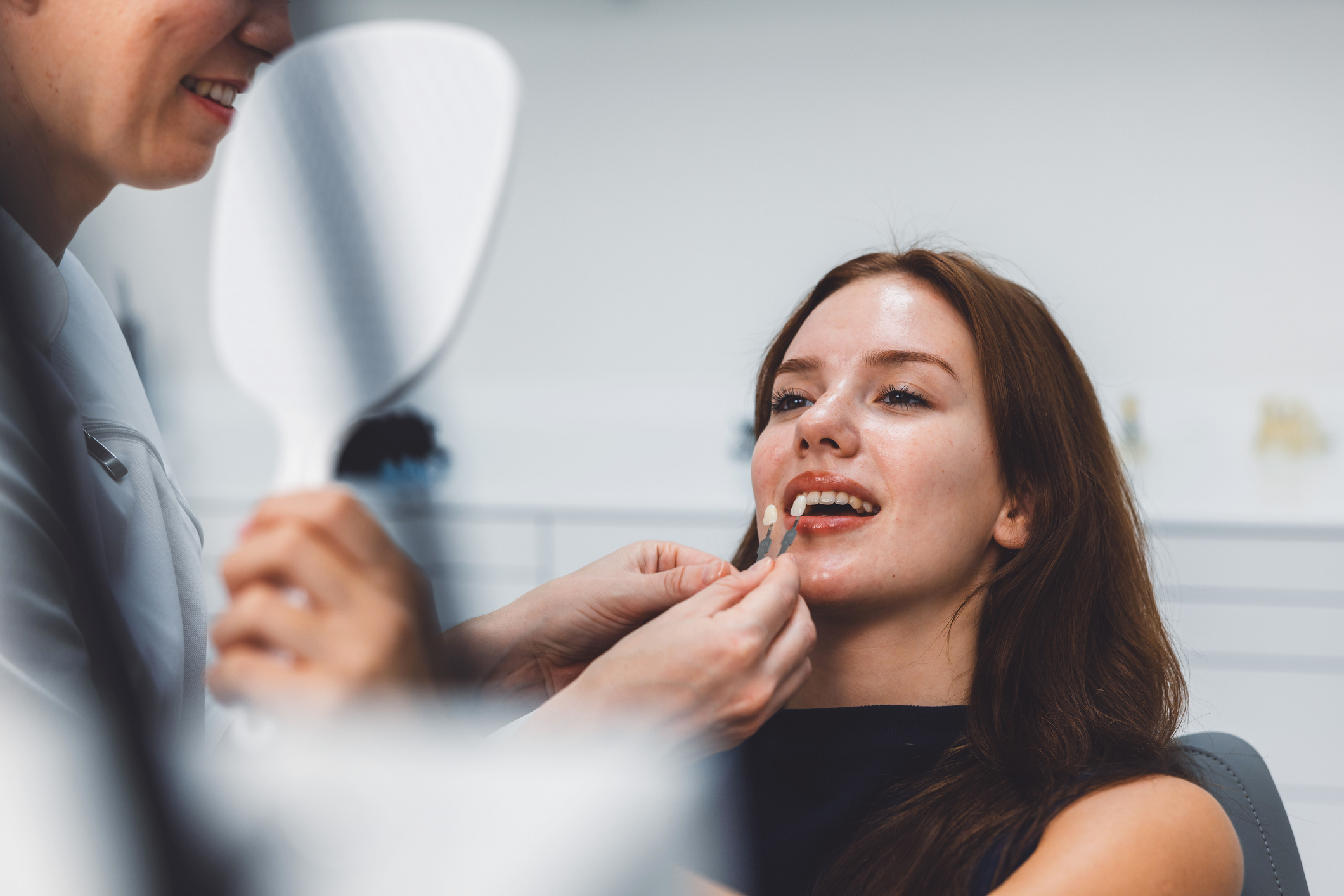
“You’re mechanically removing tooth structure—very often, healthy tooth structure—in order to cement on something that’s artificial, and it then requires a lifetime of having to maintain it,” says Nguyen.
Is whitening your teeth good for you?
For those seeking whiter teeth, Nguyen says that light to moderate staining is often removed by normal cleaning and polishing sessions at the dentist.
For more extreme whitening, she adds, most dentists will want to focus on health before aesthetics.
“For a patient who has lots of active cavities that have not been treated yet and really stained enamel, I would not recommend just jumping to a whitening treatment right away,” she says. “I want to make sure patients are functional, able to speak and eat, and out of pain before any cosmetic procedures.”
Nguyen says she understands why people chase after perfect teeth. “This idea of the perfect, bright, white Hollywood smile—that’s been around for a long time,” she says. “But now you’ve [also] got social media.” The constant online comparisons, plus the ability for people to apply filters to images of their faces, means that the pressure to present a perfect smile can seem overwhelming.
No one has the exact same teeth, and Nguyen says that’s actually a good thing. “Every smile is actually different, and a little bit of imperfection can add more character to a smile.”
In Ask Us Anything, Popular Science answers your most outlandish, mind-burning questions, from the everyday things you’ve always wondered to the bizarre things you never thought to ask. Have something you’ve always wanted to know? Ask us.
The post No, white teeth don’t mean healthy teeth appeared first on Popular Science.